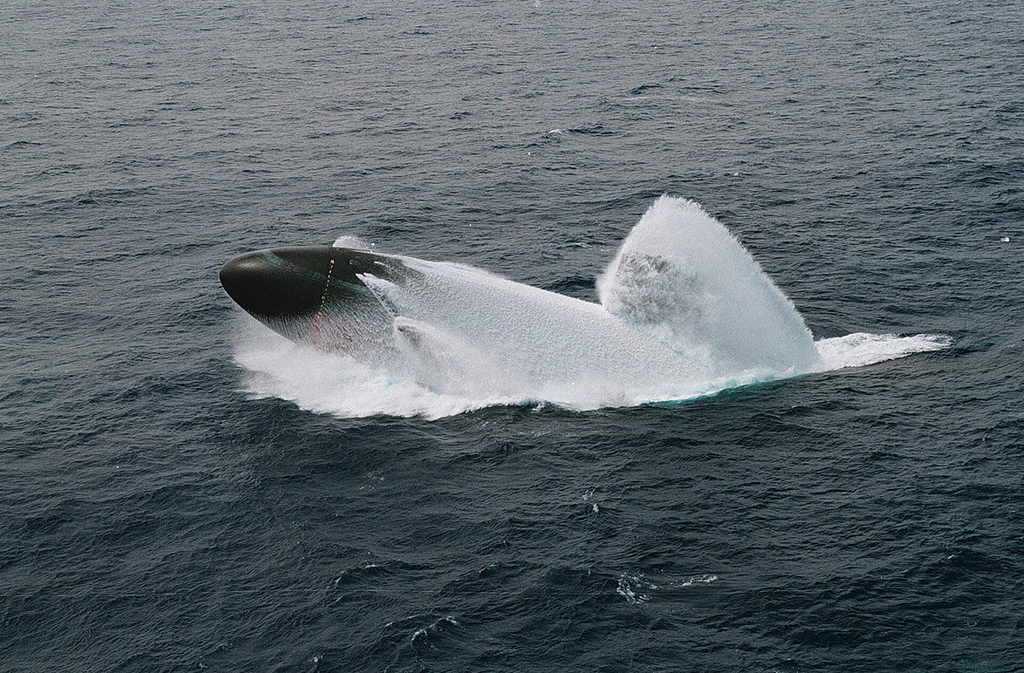
On February 9, 2001, while conducting a special tour for a group of civilians off the coast of Hawaii, the nuclear submarine USS Greeneville launched an “emergency blow,” rapidly rising from the ocean depths and breaking through the surface like a whale playing in the waves. The reason for the blow was to show off for visiting civilians what the submarine could do and, according to testimony, “give them a bit of a thrill.”
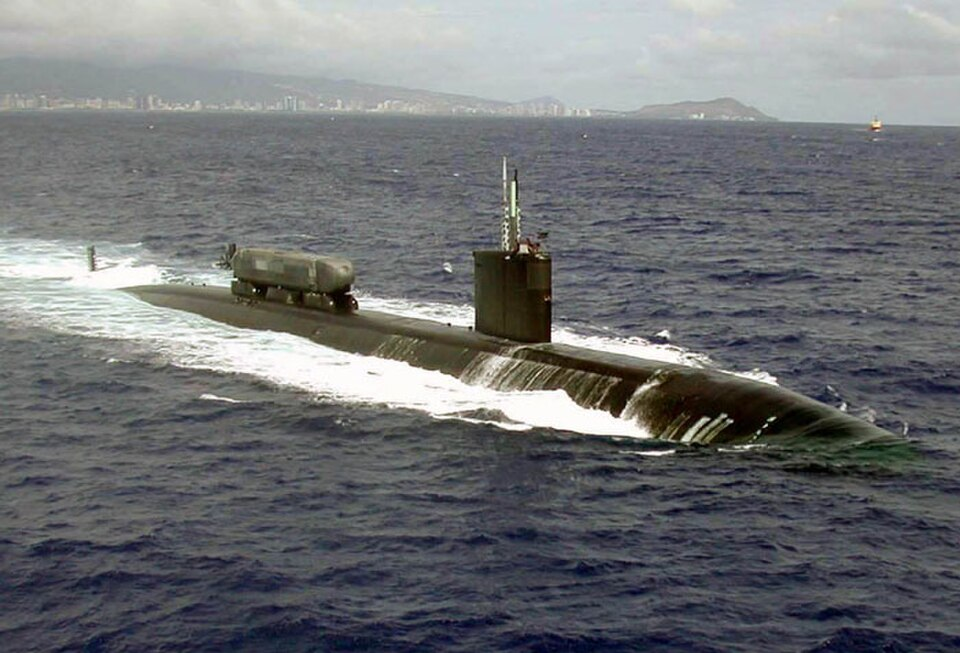
USS Greeneville
Unfortunately, the rapidly emerging submarine collided with the Ehime Maru, a Japanese fisheries boat, sinking the small boat and leaving nine of the 35 people onboard dead.
A subsequent U.S. Naval inquiry uncovered many mistakes made by the Greeneville’s captain, Commander Scott Waddle, and his crew that contributed to the deadly accident. Not the least was the failure of the fire control technician (FCT) to warn Commander Waddle that the sonar display had identified a ship in the area. During the inquiry, Rear Admiral Charles Griffiths, Jr., who conducted the pre-hearing investigation, testified, “The fire control technician should have heard Waddle’s assessment of the situation and questioned it…he should clearly have forcibly told the captain and the officer of the deck.”
In a subsequent interview, Navy Captain Conrad Donahue, who has commanded two nuclear submarines during his 27-year career, stated that, “On this particular ship, and on a lot of ships in the Navy, the crew has so much trust in the skipper’s abilities that they don’t question him when they should. The FCT had a ship on the display but he saw the captain looking through the periscope. He probably assumed that if the skipper didn’t see it…it wasn’t there.”
This looks like a case of The Emperor’s New Clothes. How often does it happen in an organization that, for one reason or another, no one tells the manager what the manager needs to know and as a result, the manager or the organization blunders into a disaster?

Ehime Maru
So how do you keep this from happening to you? In our book Absolute Honesty, Building A Corporate Culture That Values Straight Talk And Rewards Integrity (Harper Collins Publisher), my co-author Bob Phillips and I suggest:
- Routinely encourage your team to tell you when things go wrong.
- Celebrate them publicly when they do so.
- Never punish people for giving you bad news.
- Be willing to admit your own mistakes.
- Make every misstep an opportunity to help people learn to do better.
The important lesson from the USS Greeneville incident is to make sure your folks are not afraid to tell you what you don’t want to hear.
______________________________________________________________________
Note: This article is excerpted from Absolute Honesty: Building A Corporate Culture That Values Straight Talk And Rewards Integrity by Larry Johnson and Bob Phillips – Harper Collins Publisher.
